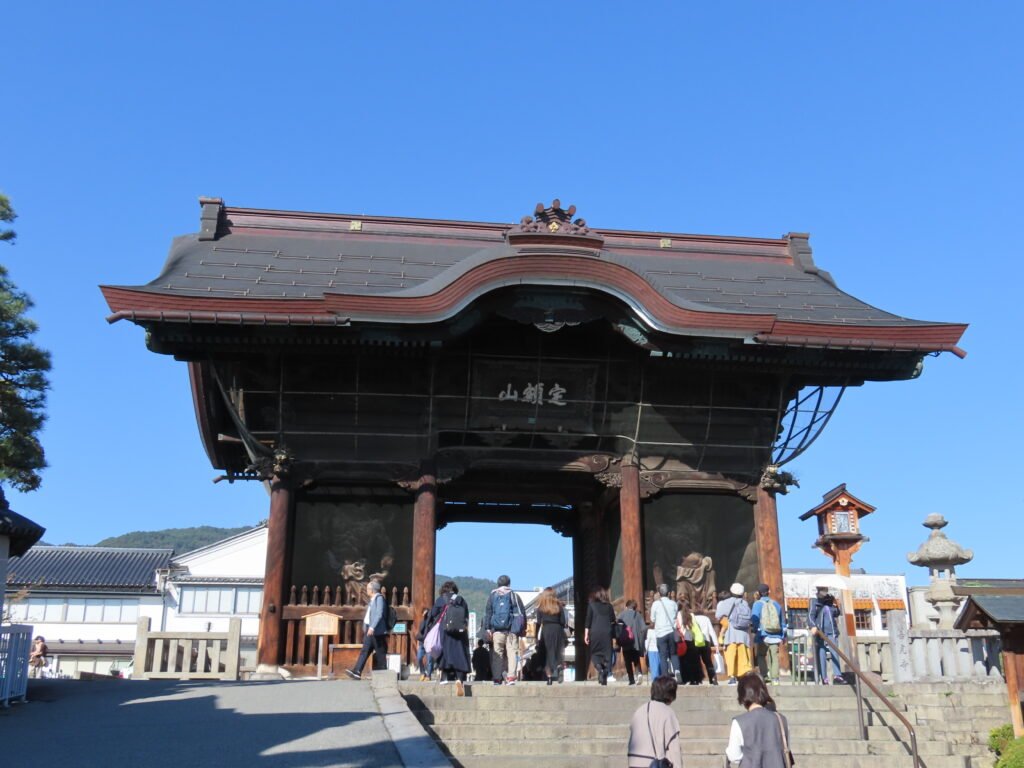
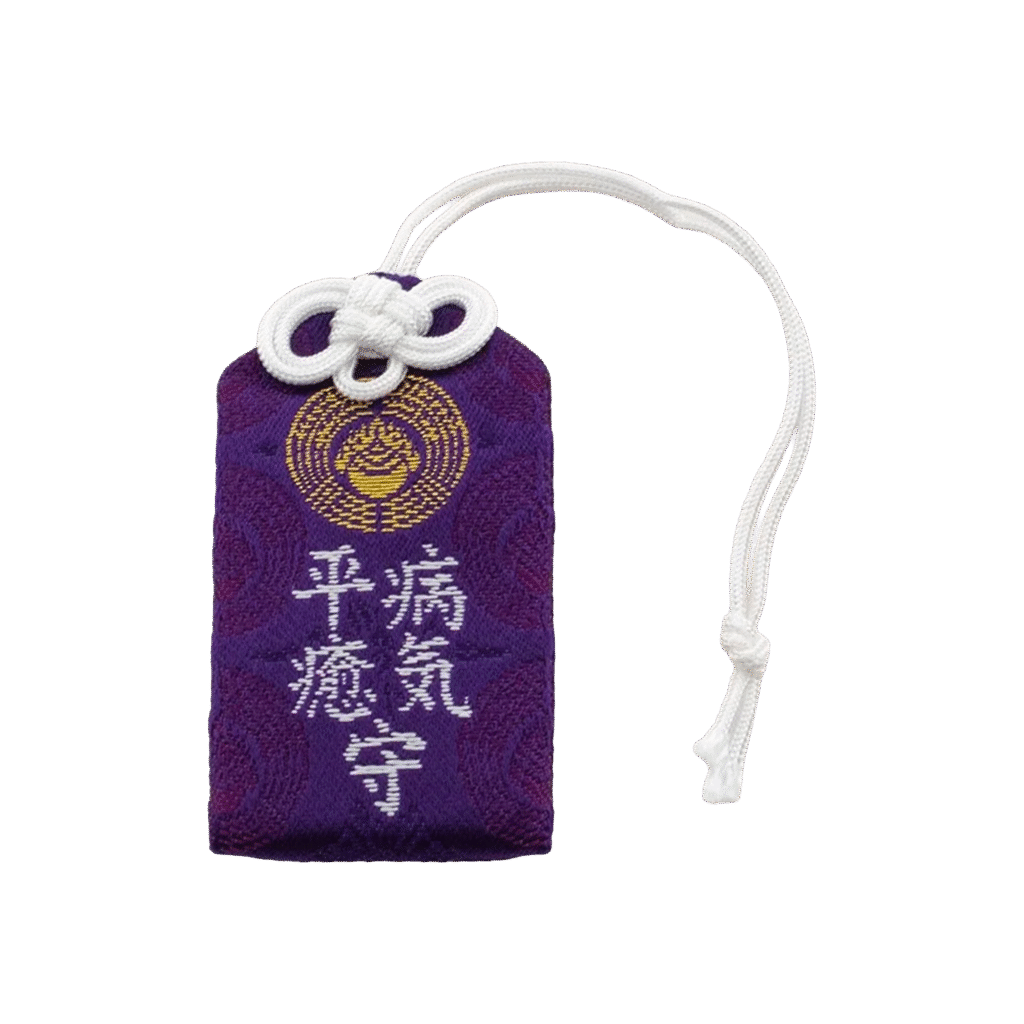
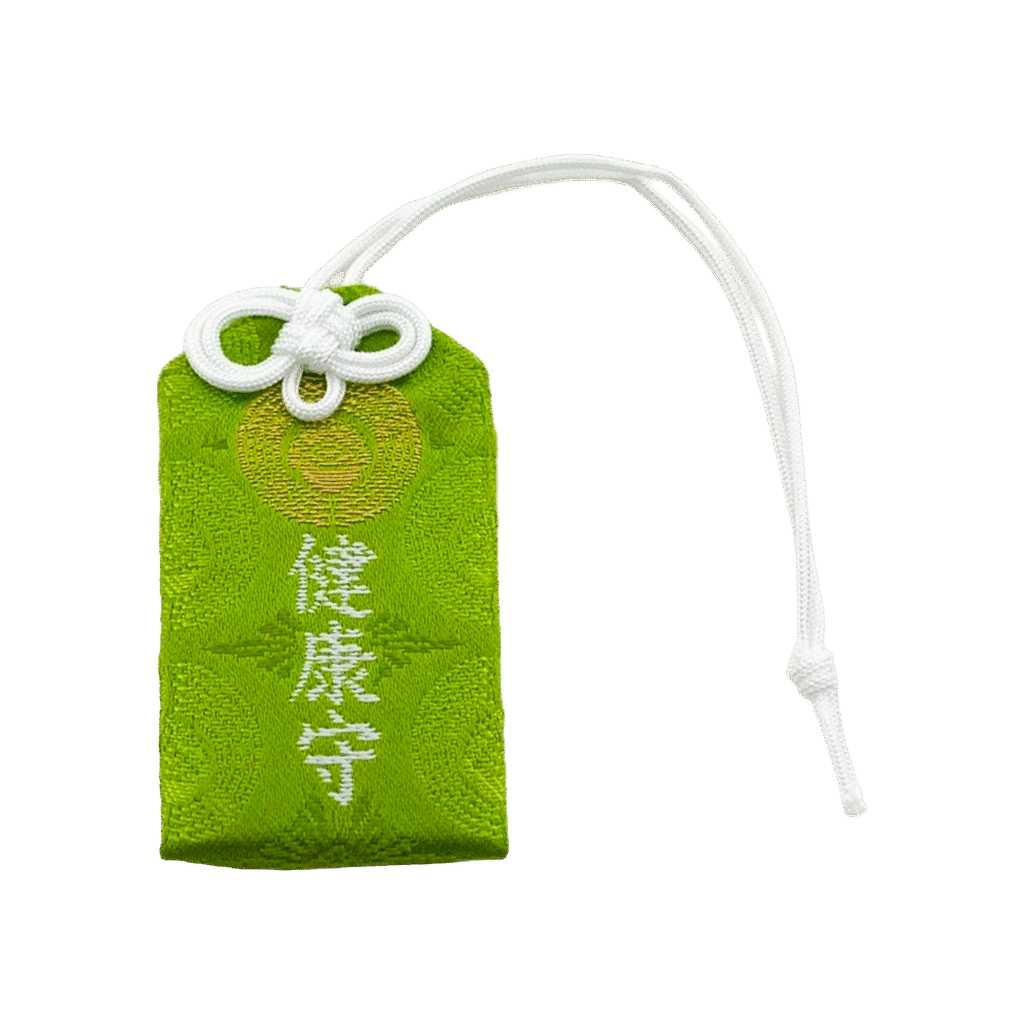
Authentic omamori blessed by a priest, delivered worldwide

Zenkō-ji Temple main hall in Nagano, a National Treasure rebuilt in 1707

Temples & Shrines

Zenkō-ji Temple: The Hidden Buddha That Built a City in Nagano

Construction

Founded in the 7th century (traditionally 642); present main hall rebuilt in 1707, a National Treasure

Divinity

Amida Buddha — the Ikkō Sanzon Amida Nyorai, believed to be Japan's first Buddhist statue, kept forever hidden

Religion

Buddhism — Tendai and Jōdoshū, co-managed, open to all

Location

491 Motoyoshi-chō, Nagano City, Nagano Prefecture, Chūbu, Japan
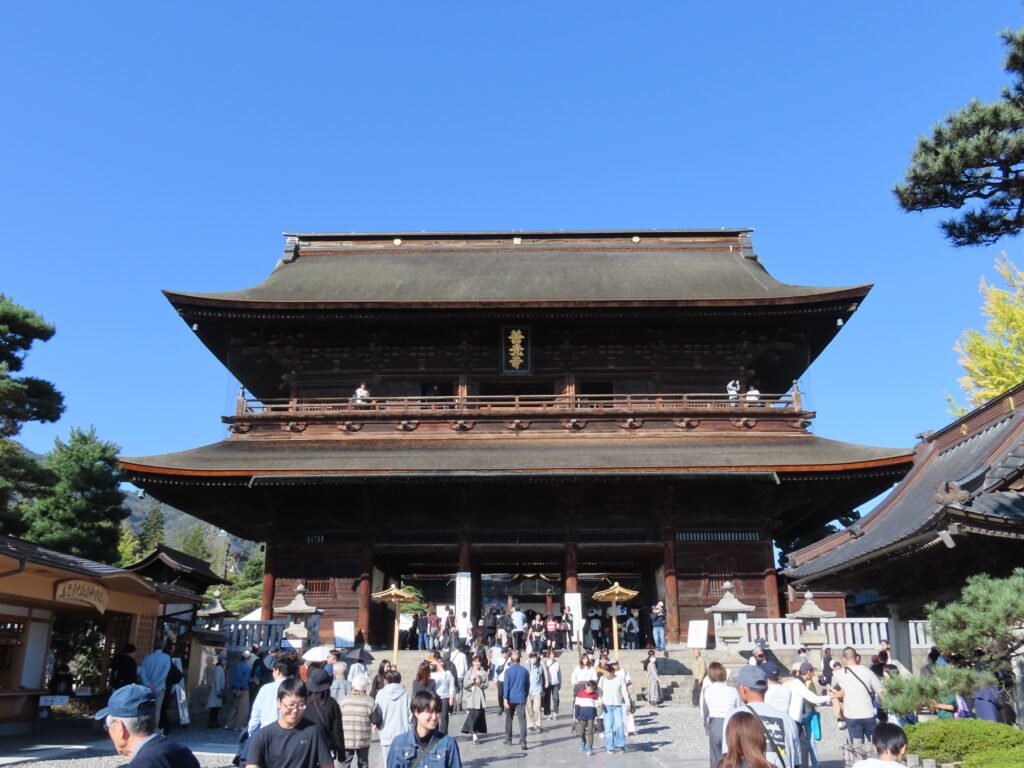
Sanmon Gate of Zenkō-ji Temple in Nagano, built in 1750

A Buddha No One May See

Walk north from Nagano Station and the city itself seems to point the way. The broad avenue climbs gently for nearly two kilometres, past shops, cafés and old temple lodgings, until it opens onto the great wooden gates of Zenkō-ji. This is no ordinary temple visit: for over 1,400 years, pilgrims have walked this same approach to stand before a Buddha that no one — not even the temple’s chief priest — is ever allowed to see. The modern city of Nagano grew up around this temple, a monzen-machi, a town before a gate, and it still beats to the rhythm of its bells.
Zenkō-ji was founded in the 7th century, traditionally in 642, when Honda Yoshimitsu enshrined here the Ikkō Sanzon Amida Nyorai, a triad of Amida Buddha flanked by Kannon and Seishi. According to temple tradition, the image had travelled from India through the Korean kingdom of Baekje and is believed to be the first Buddhist statue ever brought to Japan. After a dispute between rival clans, the statue was thrown into a canal; Yoshimitsu rescued it, and the temple took its name from the Chinese reading of his own name, Zenkō. The statue is a hibutsu, an absolute hidden Buddha, sealed from every eye inside the innermost sanctuary of the main hall, before a lamp said to have burned for centuries. Zenkō-ji also predates the division of Japanese Buddhism into sects, and it remains gloriously unaffiliated: it is co-managed today by priests of the Tendai and Jōdoshū schools, and it has always welcomed everyone — of any faith, rank or gender — a rare openness that made it one of Japan’s great pilgrimage destinations. In the 16th century, the temple even became a base of the warlord Uesugi Kenshin during his famous battles against Takeda Shingen.

Two Gates, a Dark Corridor and the Key to Paradise

The approach itself is part of the pilgrimage. You pass first beneath the Niōmon Gate, guarded by two fierce Niō kings, then along Nakamise-dōri, a lively lane of souvenir shops and shukubō pilgrim lodgings, to the Sanmon Gate. Built in 1750 and designated an Important Cultural Property, the two-storey gate carries a plaque inscribed with the temple’s name — look closely and you will find five doves hidden in the brushstrokes, the famous Hatoji no Gaku. Climb to the upper storey for a sweeping view over the temple town. Beyond it stands the main hall, rebuilt in 1707 and designated a National Treasure, one of the largest wooden buildings in eastern Japan. Inside, before the altar, sits the wooden statue of Binzuru, the physician disciple of the Buddha: rub the part of the statue that matches your own ache, and tradition says the pain will ease. Then comes the temple’s most unforgettable experience: the Okaidan Meguri, a pitch-dark corridor beneath the altar. Feeling your way along the wall in total darkness, you search for a metal lock known as the Key to Paradise; to touch it is to form a bond with the hidden Buddha above and to receive the promise of rebirth in the Pure Land. To the side stands the Kyōzō, the sutra repository of 1759, where visitors spin a great octagonal wheel of scriptures to gain the merit of reading them all.
Niōmon Gate of Zenkō-ji Temple in Nagano
Kyōzō sutra repository of Zenkō-ji Temple in Nagano

The Six-Year Unveiling, Seasons and the Road to Nagano

Zenkō-ji’s great moment comes only once every six years. During the Gokaichō ceremony, a sacred replica of the hidden statue, the Maedachi Honzon, is displayed to the public — the next unveiling is scheduled from April to June 2027, when millions of pilgrims are expected. In ordinary years, the temple is beautiful in every season: cherry blossoms along the approach in spring, deep green in summer, autumn colour against dark wood, and snow on the great cypress-bark roof in winter. Early risers can witness the Oasaji, the morning ceremony in which the head priest or priestess walks from their residence to the main hall, blessing the worshippers gathered along the path. Getting there is easy: from JR Nagano Station, it is a gentle 30-minute walk up Chūō-dōri, or a short bus ride to the Zenkō-ji Daimon stop. Before you leave, stop at the temple office. An omamori from Zenkō-ji — for health, for safe travel, for a wish carried in the dark — holds a little of this temple’s promise: that even what you cannot see can still guide you home, like a hand finding a key in the dark.

You may Like:

Sign up and get

10% Off

On all Omamori

Carry protection, luck, and peace wherever you go.