2,446 Steps Through a Thousand-Year Forest
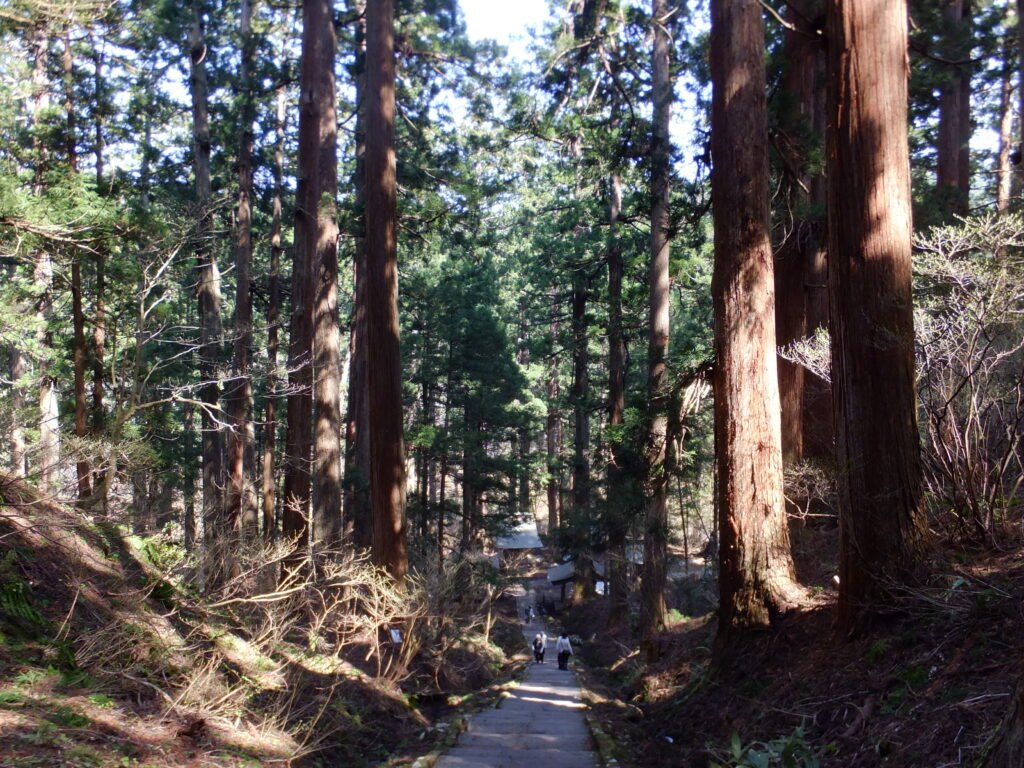
The pilgrimage begins at the vermilion Zuishinmon gate, once guarded by Buddhist Niō warriors and called the Niōmon before the Meiji-era separation of Shinto and Buddhism. Beyond it, the stone stairway runs 1.7 kilometres uphill in three great slopes — Ichinozaka, Ninozaka, Sannozaka — laid in the 1600s under the 50th chief priest, Tenyū Bettō, who spent thirteen years setting the stones from 1648. Look down as you climb: 33 Buddhist symbols are carved into the steps, and finding them all is said to grant a wish. Above you tower hundreds of cedars, some 350 to 500 years old, a handful a thousand, designated a Special Natural Monument; the oldest, Jiji-sugi, the “Grandfather Cedar”, stands near the pagoda. About ten minutes from the gate, deep in the trees, rises the Gojū-no-tō, the five-story pagoda: first raised in the 930s, traditionally by the rebel Taira no Masakado, rebuilt in 1372, some 29 metres of unpainted wood left to weather grey among the cedars. It is a National Treasure since 1966, the oldest tower in the Tohoku region and the northernmost five-story pagoda in Japan — and a quiet witness to history, since the Buddhist statues it once held were removed in the 1800s and replaced by the Shinto god Ōkuninushi no Mikoto when the mountain was made purely Shinto. The climb takes about an hour, and in summer the pagoda is illuminated at night among the cedars.
One Roof for Three Mountains
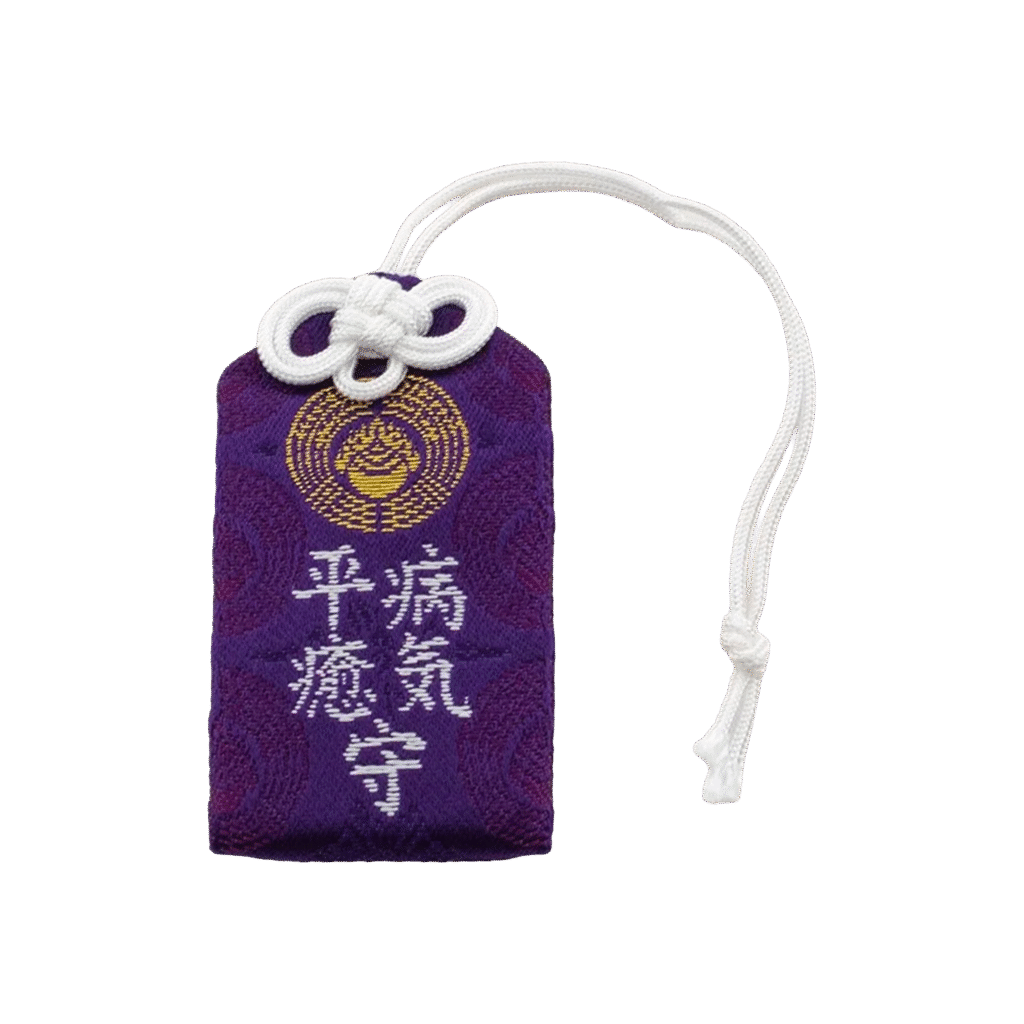
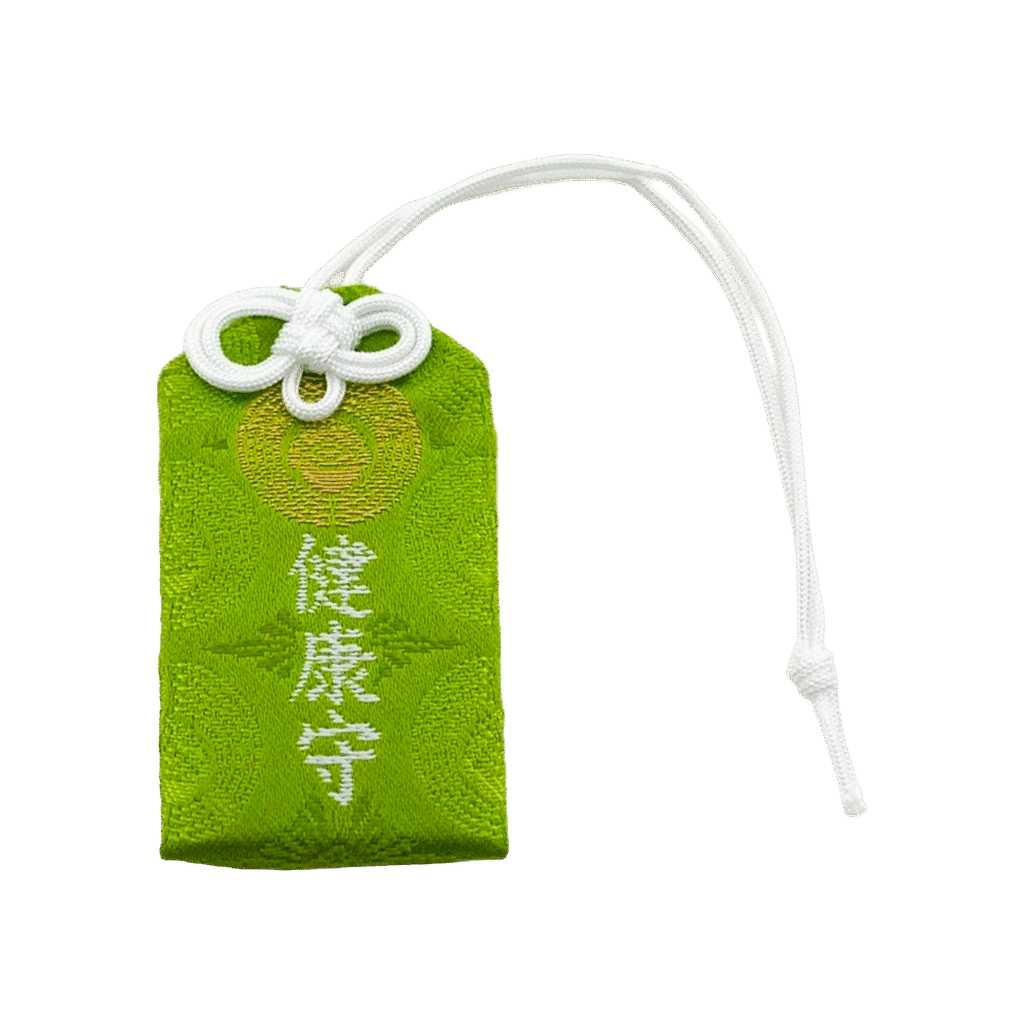
At the summit waits the reason for it all: the Sanjin Gosaiden, the hall where the gods of the three mountains are worshipped together. Its present building dates from 1818, but its thatched roof — 2.1 metres thick, the thickest in Japan — shelters a design unchanged for centuries, and it is listed as an Important Cultural Property. This is what makes Haguro unique: Gassan and Yudono are closed for months each winter under metres of snow, so their deities are said to “winter” here, and a single visit to Haguro honours all three peaks at any time of year. Haguro is also the only one of the three reachable by road, with a bus from Tsuruoka Station to the summit in about fifty minutes — but the stairway remains the true approach, and since 2021 the shrine has promoted the Ishidan-mode pilgrimage, urging visitors to walk the steps rather than drive past them. Before you leave, stop at the shrine office: an omamori from Dewa Sanzan — for safe passage through a turning point in life, or for rebirth after a hard year — carries the mountain’s oldest promise, that the present, climbed step by step, can lead somewhere new.