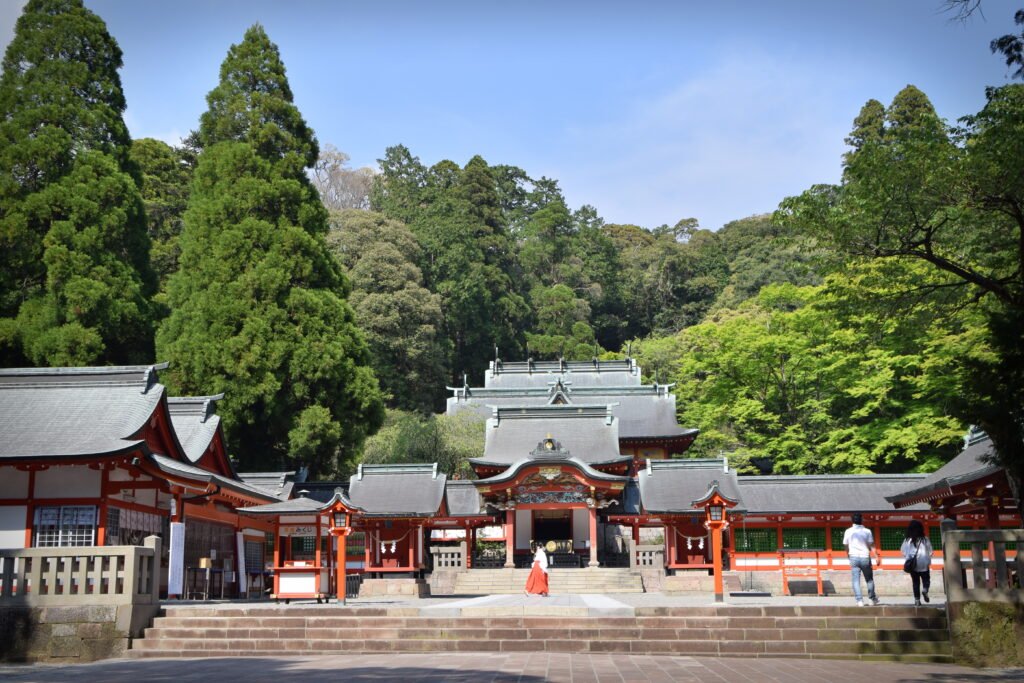
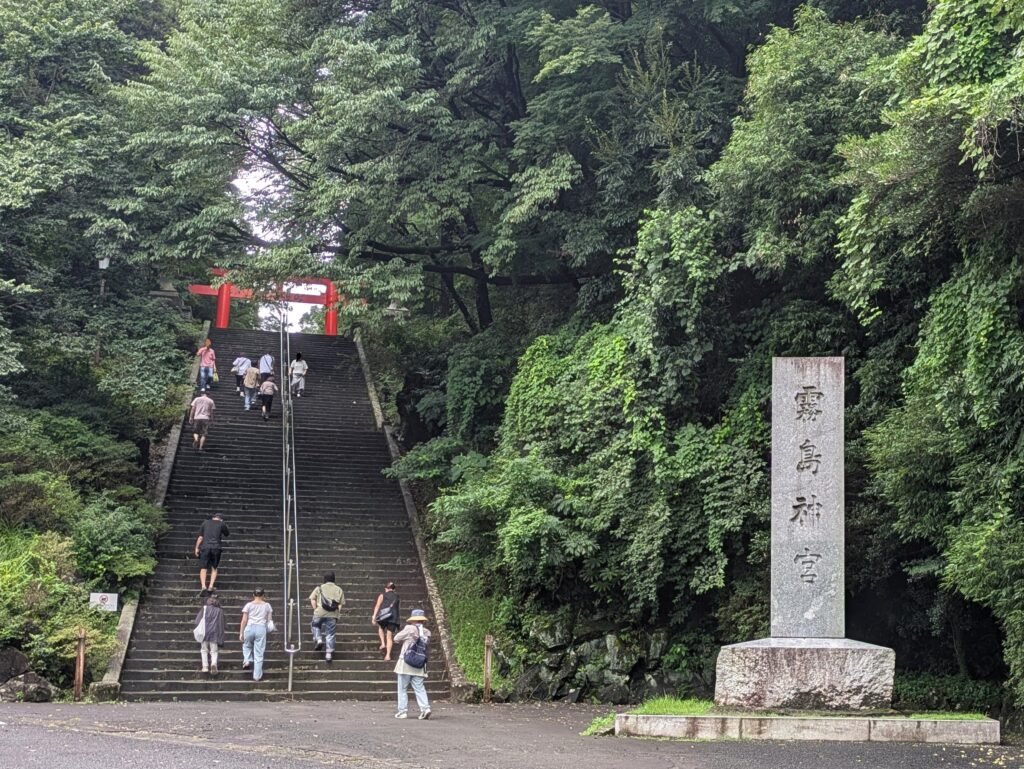
Shrine tradition dates Kirishima Jingū to the sixth century, but the volcanoes have never let it rest. Its first buildings stood between Mount Takachiho and Mount Ohachi, in the heart of the active range, and eruption after eruption destroyed them. Around 950, the Tendai monk Shōku moved the shrine to Takachiho-gawara, the meadow of the descent; later it moved again, each time a little further from the fire. The buildings you see today were raised in 1715, paid for by Shimazu Yoshitaka, the fourth lord of the Satsuma domain and twenty-first head of the Shimazu family. Their vermilion lacquer, gold leaf and intricate carvings are so rich that people call Kirishima Jingū the “Nikko of the West”, after the great shrines of Tochigi. For three centuries they were Important Cultural Properties; on 9 February 2022, the main hall, offering hall and worship hall were raised to the highest honour in Japan — National Treasures, the first architectural National Treasure in Kagoshima Prefecture. The shrine faces Mount Takachiho across the valley, so that the god’s mountain is always in view. On a clear morning the peak rises above the mist that gives Kirishima — “the island in the fog” — its name.
The Cedar, the Stone and the Drums
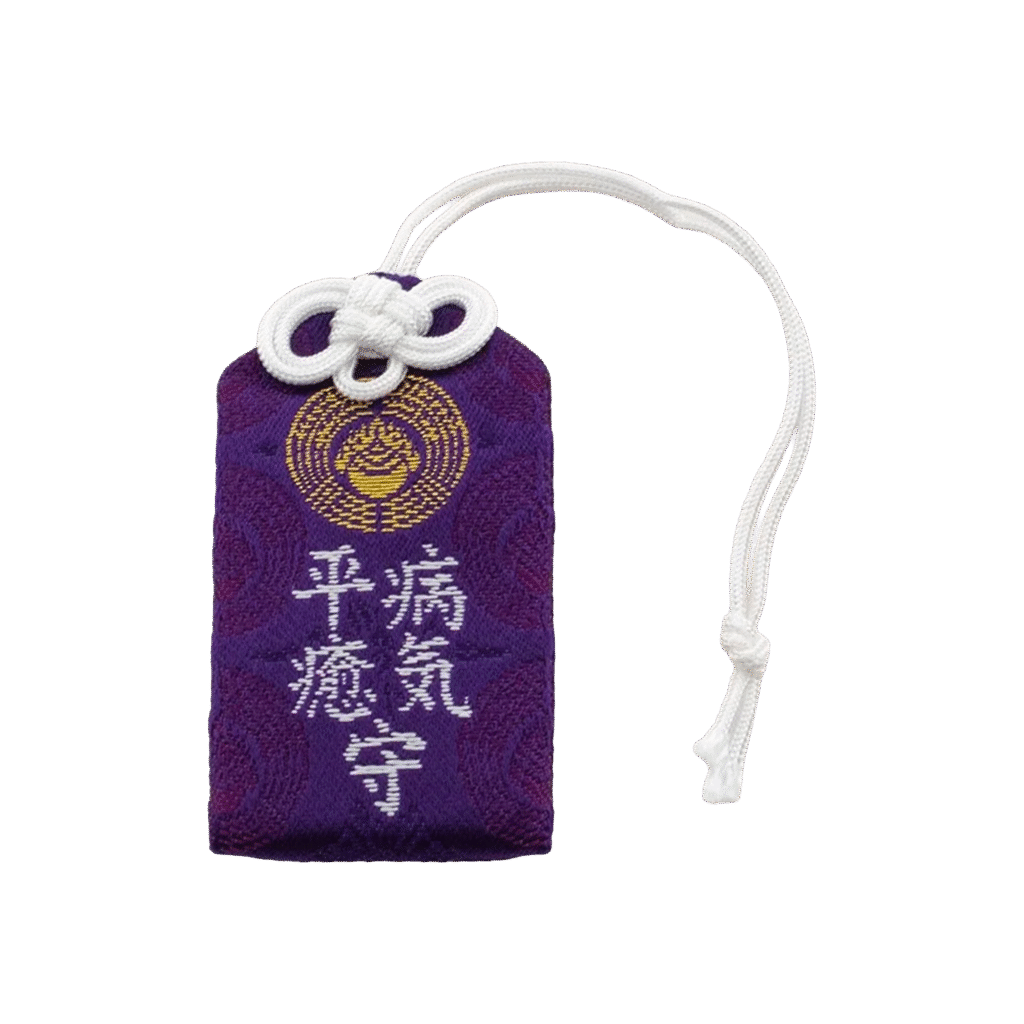
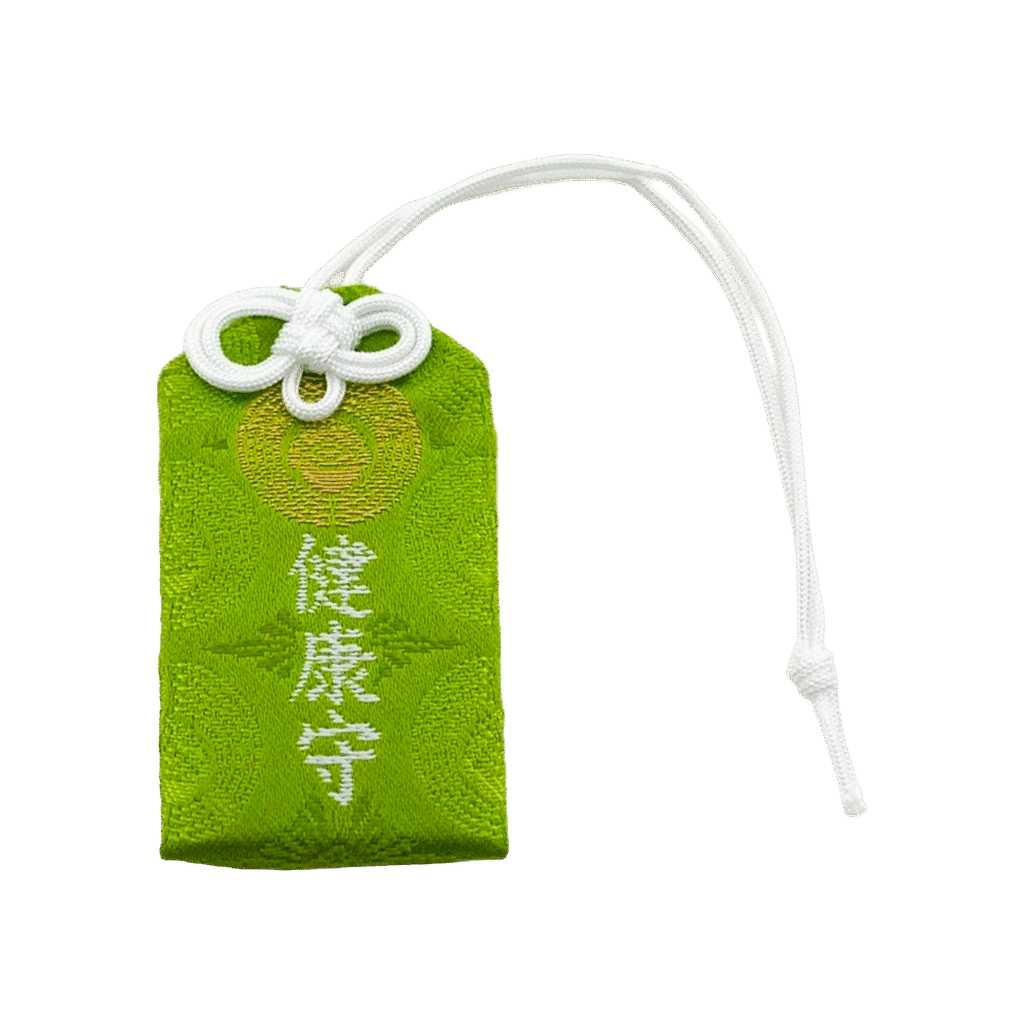
Look for the shrine’s living treasure first: the goshinboku, a sacred cedar beside the main hall, some 800 years old and about 35 metres tall, its trunk 7.2 metres around. It is said to be the ancestor of all the cedars of southern Kyushu, and visitors press their hands to its bark for a share of its strength. Nearby lies the sazare-ishi, a rock of fused pebbles named in the Japanese national anthem, “Kimigayo”. Kirishima Jingū is also a shrine of sound. Its treasured nine-faced taiko drums — the Kirishima Kyūmen Taiko — thunder across the grounds on 1 January, 11 February, the anniversary of the heavenly descent, and 10 November. Come in late March for some 200 cherry trees in bloom, in June for the crimson Miyama Kirishima azaleas, or in autumn, when the maples burn as red as the halls. And if the place feels like a honeymoon, there is a reason: in 1866 the samurai Sakamoto Ryōma brought his new wife Oryō here — said to be Japan’s first honeymoon. Before you leave, take an omamori from the shrine office: a small piece of the mountain where the gods came down, to carry a little of that beginning with you.