Fire, Rebirth and the Eternal Flame
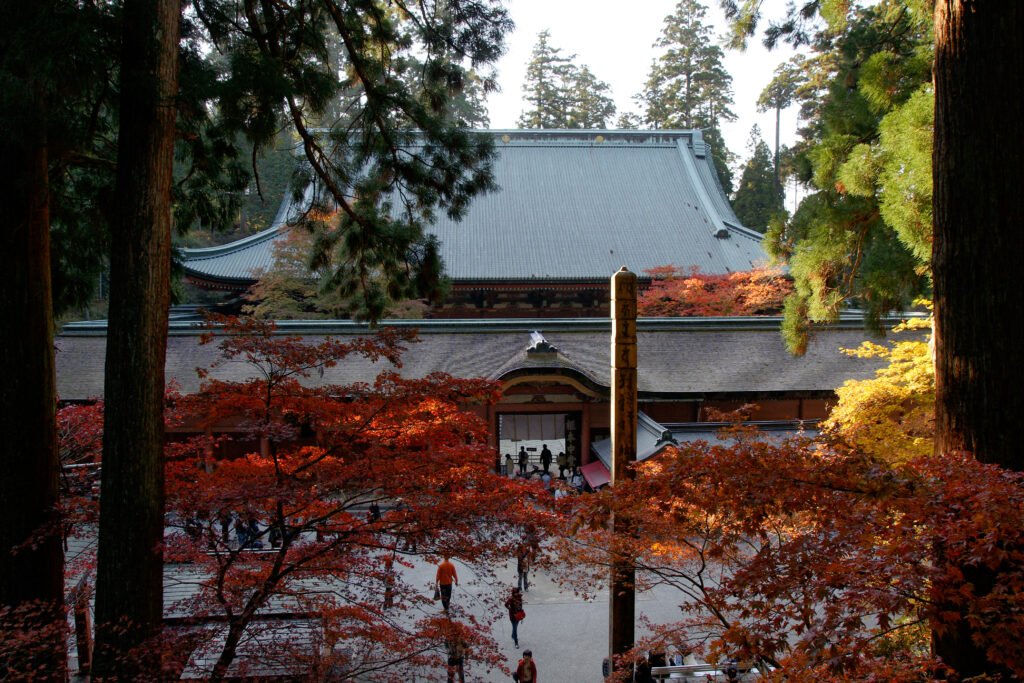
At its height, Enryaku-ji counted some 3,000 buildings and tens of thousands of residents — a city of monks that had grown into a military power of its own. In September 1571, the warlord Oda Nobunaga decided that power had to end. His army of 30,000 men stormed the mountain and set it ablaze, burning hundreds of halls to the ground. The temple was left in ruins, but it was never abandoned. Rebuilt with the support of Toyotomi Hideyoshi, Tokugawa Ieyasu and Tokugawa Iemitsu, the Enryaku-ji you see today is largely a seventeenth-century creation. Its heart is the Konpon Chūdō, the main hall, rebuilt in 1640–1642 under Iemitsu and designated a National Treasure. Inside, beside the Medicine Buddha, burn three brass lanterns holding the Fumetsu no Hōtō — the Eternal Flame of the Dharma, lit by Saichō himself in 788 and kept burning, through fire and war, for over 1,200 years. The hall is currently undergoing a major restoration that began in 2016 and is expected to run until 2030, so visitors today can watch craftsmen restore a National Treasure to its Edo-period colours.
Three Precincts and the Marathon Monks
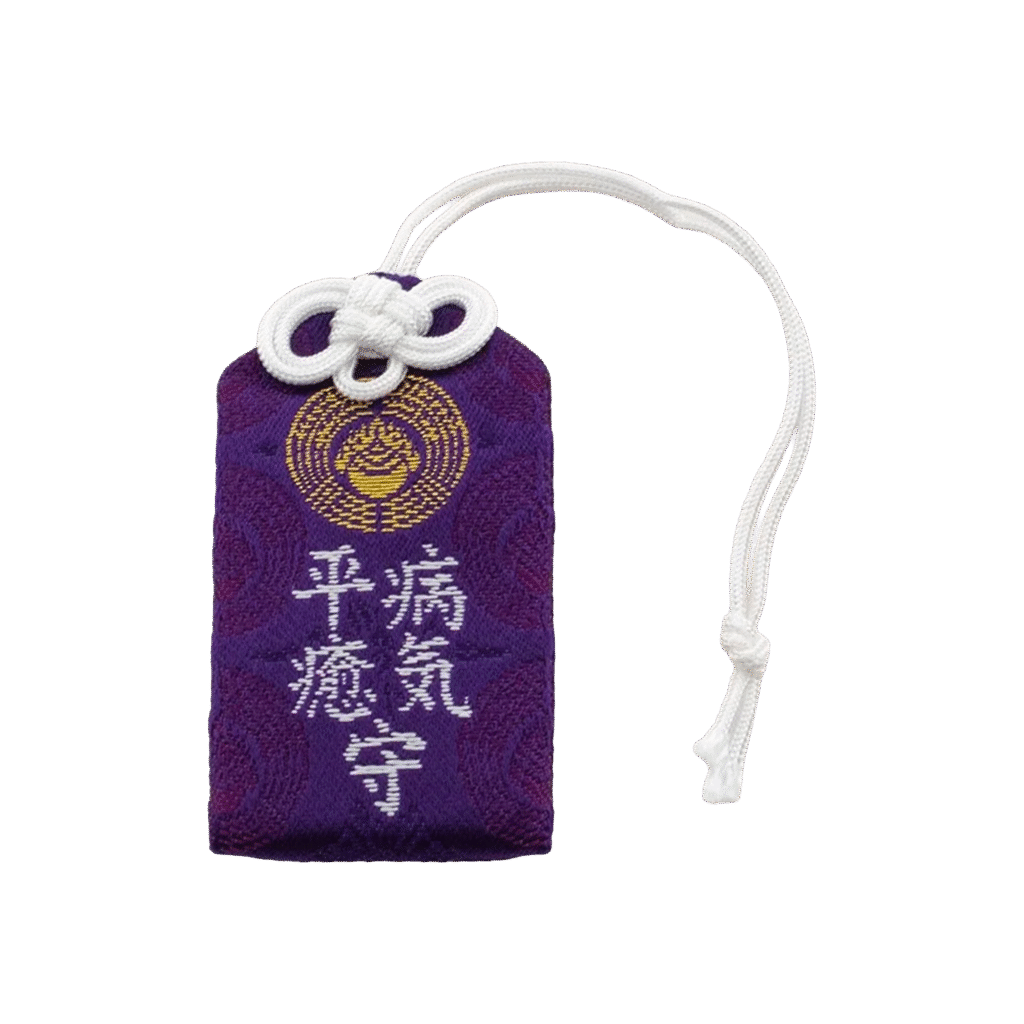
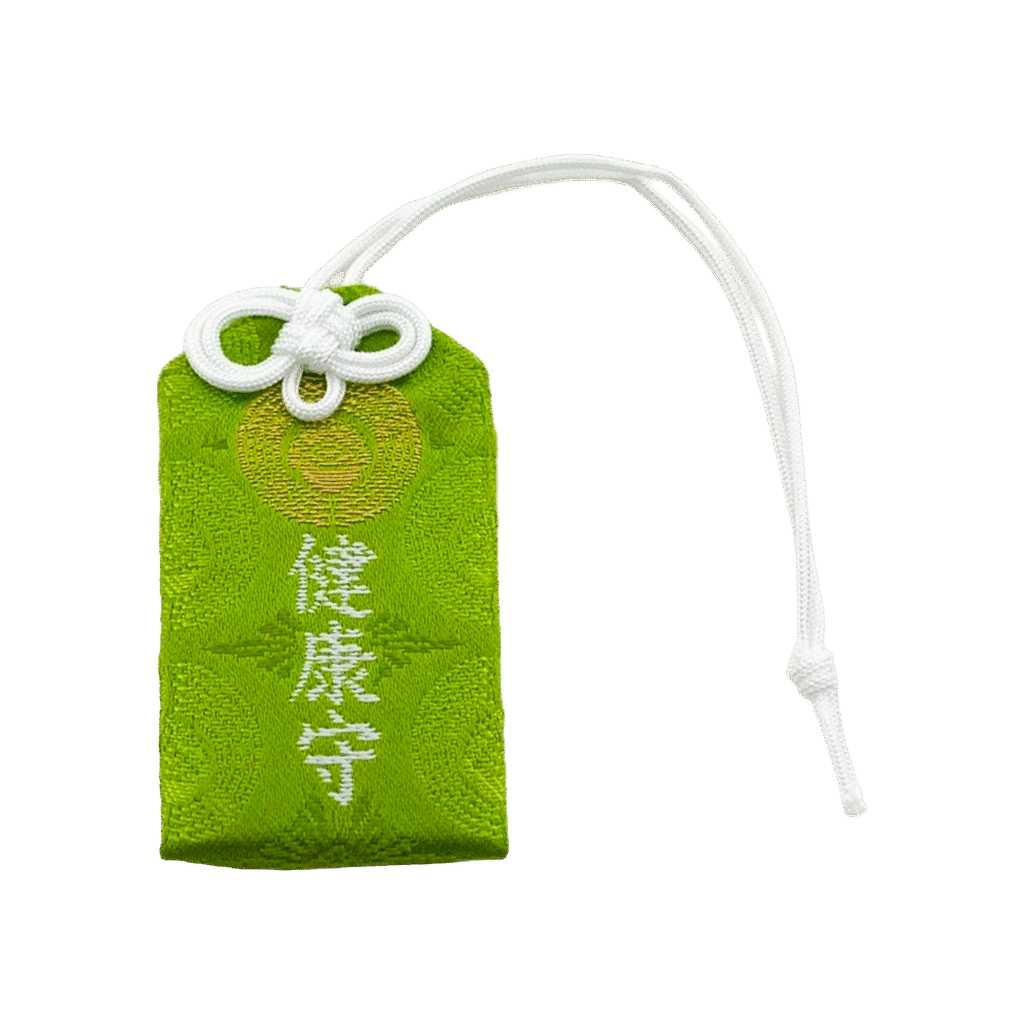
Enryaku-ji covers some 1,700 hectares of mountain, divided into three precincts: Tōdō, the eastern area around the Konpon Chūdō; Saitō, the western area centred on the Shaka-dō, hall of the historical Buddha; and Yokawa, a quieter valley an hour’s walk to the north, centred on the Yokawa Chūdō. The mountain is still a place of training, and its most famous practice is the kaihōgyō — the thousand-day circuit. Over seven years, a monk walks a prescribed route of about 30 kilometres around the mountain, praying at its halls and shrines, for 100 or 200 days a year, the distance rising to 84 kilometres a day in the final year. After the 700th day comes nine days without food, water or sleep. Fewer than fifty monks have completed it in recorded history, and those who do are honoured as living Buddhas. Come in autumn, when the maples turn the mountain red, or in winter, when snow silences the cedars — and before you leave, take an omamori from the temple: a small piece of the mountain where Japanese Buddhism was born, carrying a little of the Medicine Buddha’s healing and the eternal flame’s light with you.