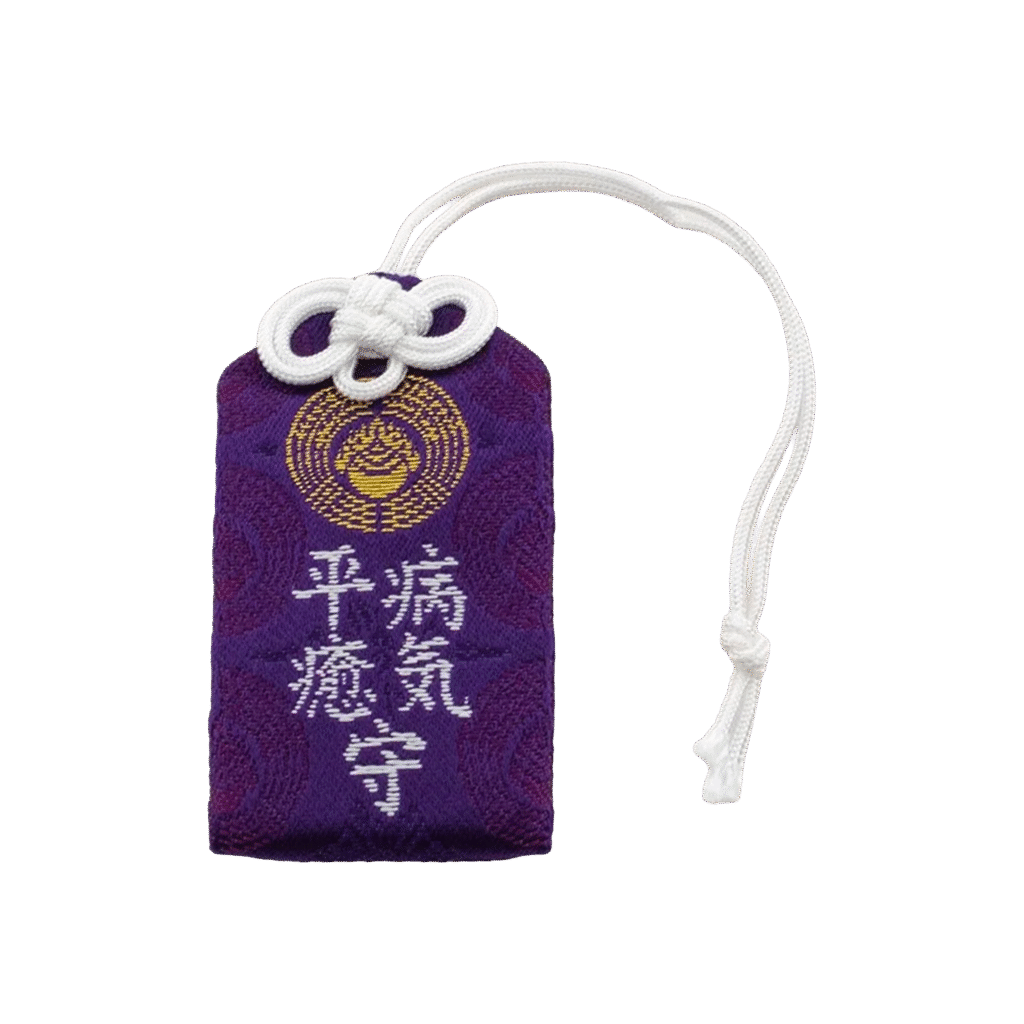
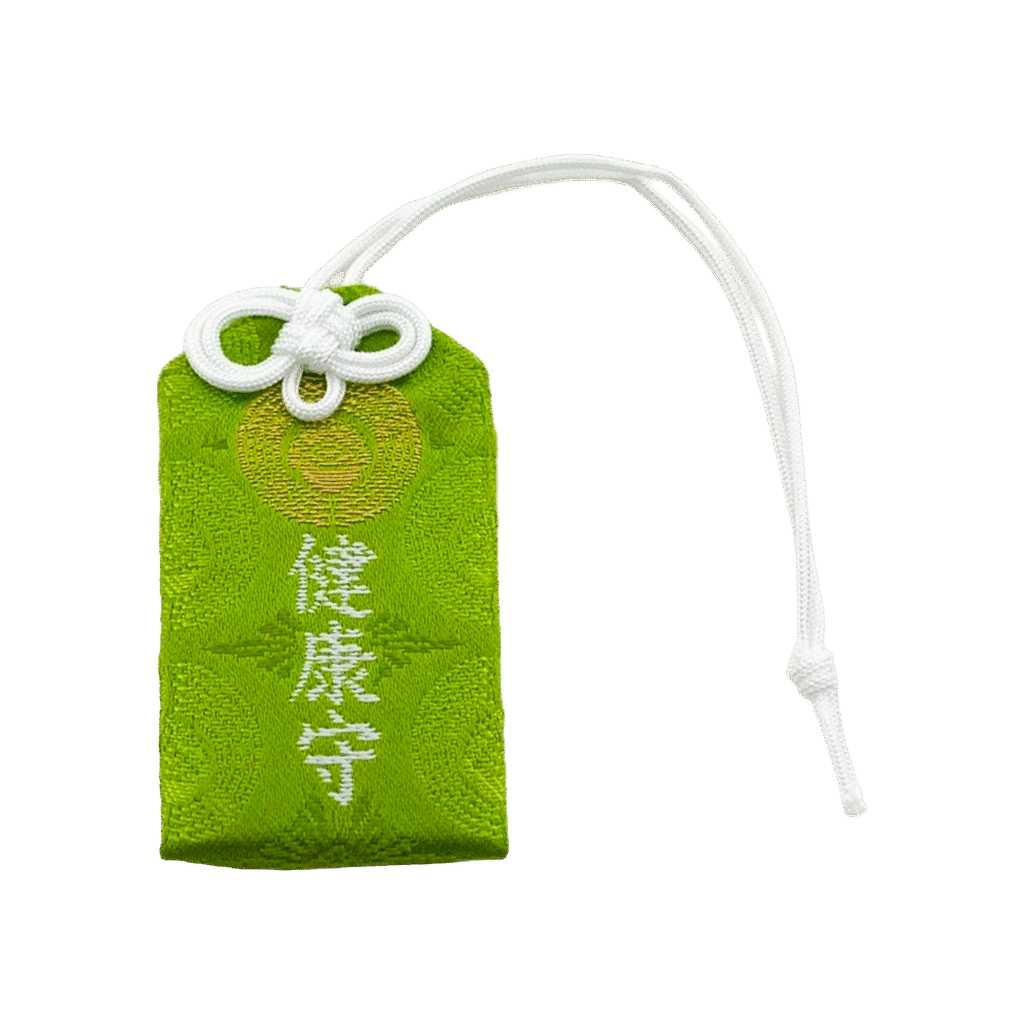
Authentic omamori blessed by a priest, delivered worldwide

The honden, main hall of Shirayama Hime Shrine in Hakusan, Ishikawa

Temples & Shrines

Shirayama Hime Shrine: The Mountain Goddess and the Gateway to Sacred Mount Hakusan in Ishikawa

Construction

Tradition says founded by Emperor Sujin (1st century BC); rebuilt in 716 by Empress Genshō; first documented in 853; burned in 1480 and restored by Maeda Toshiie; present honden built in 1771

Divinity

Shirayama Hime-no-Okami (Kikurihime), goddess of marriage and binding, with Izanagi and Izanami, the creator gods of Japan

Religion

Shinto — ichinomiya of former Kaga Province; head shrine of some 2,000–3,000 Hakusan shrines across Japan

Location

105-1 Ni, Sannomiya-machi, Hakusan, Ishikawa Prefecture 920-2114, Japan — at the foot of Mount Hakusan (2,702 m), one of Japan's Three Holy Mountains

Worshippers at the haiden of Shirayama Hime Shrine, with omikuji fortune slips tied in the foreground

Where a Sacred Mountain Meets the Goddess Who Binds Lovers Together

At the foot of Mount Hakusan, one of Japan’s Three Holy Mountains, stands a shrine that has watched over pilgrims for more than two thousand years. Shirayama Hime Shrine — “Shirayama-san” to the locals — is the head shrine of some 2,000 to 3,000 Hakusan shrines across Japan, and the ichinomiya, the highest-ranking shrine, of the old province of Kaga. Its goddess, Kikurihime, is the deity who binds things together: lovers, families, and the mountain itself to the people who live in its shadow. Far from the crowds of Kyoto and Nara, in the quiet city of Hakusan in Ishikawa Prefecture, this is a shrine where the mountain is still the main character.

A Mountain Worshipped Since Before History

Mount Hakusan rises 2,702 metres above the plains of Ishikawa, its white peak visible for miles around — “Hakusan” means “White Mountain”, and snow crowns it for much of the year. Long before any shrine stood here, the mountain itself was the object of worship, one of the Three Holy Mountains of Japan alongside Mount Fuji and Mount Tateyama. According to the shrine’s own tradition, a place of worship was first established here by the legendary Emperor Sujin, who is said to have reigned from 97 BC to 30 BC, and the shrine buildings were rebuilt in 716 by Empress Genshō. The first hard evidence comes from 853, when the court chronicle Nihon Montoku Tennō Jitsuroku records the shrine receiving the third court rank. In 717, the monk Taichō is said to have made the first ascent of the peak and built a small chapel at the summit — the beginning of a pilgrimage tradition that continues today. The shrine you see now is the “Hakusan Hongū”, the lower shrine at the foot of the mountain; its inner shrine, the okumiya, still stands on the summit of Gozengamine, 2,702 metres above the sea.
The okumiya, inner shrine of Shirayama Hime Shrine, on the summit of Mount Hakusan
The haiden worship hall of Shirayama Hime Shrine, with its sacred rope and guardian lion-dogs

Fire, Ruin and the Maeda Revival

Like many of Japan’s great shrines, Shirayama Hime has known ruin as well as glory. It prospered through the Kamakura and early Muromachi periods, when Hakusan shrines spread across the country, but the Kaga uprising of 1455 stripped it of its estates, and in 1480 the shrine — then standing on the banks of the Tedori River — burned to the ground. It lay in ruins for over a century. Its revival came with the Maeda clan: Maeda Toshiie, the first daimyō of the Kaga Domain, restored the shrine in the early Edo period, and his descendants protected it until the Meiji Restoration. The present main hall, the honden, was built in 1771 after a fire in 1758. Step inside and look up: its coffered ceiling is painted with seasonal flowers around a great dragon in the clouds, and its wooden exterior is carved with dragons, chrysanthemums, plum blossom and a tiger. The shrine’s treasure house keeps an even older wonder — a National Treasure sword signed by the Kamakura-period master Tōshirō Yoshimitsu, its blade just 22.9 centimetres long — along with 52 funa-ema, votive tablets offered by sailors praying for safe voyages. The Goddess Who Binds and the Climb to the Summit The shrine enshrines three kami: Shirayama Hime-no-Okami, also called Kikurihime, the deified mountain itself; and Izanagi and Izanami, the creator god and goddess of Japan. Kikurihime appears in the Nihon Shoki as the goddess who mediated the quarrel between Izanagi and Izanami — and her name, from kukuri, “to bind”, made her the goddess of marriage and good relationships, of water, and of safe childbirth. Walk the 250-metre approach, lined with cedar, zelkova and maple, in autumn when the leaves turn, or in winter when snow settles on the roofs. The main festival is held every year on 6 May. And if you are feeling strong, the shrine is the traditional starting point for the climb to the okumiya on the summit of Mount Hakusan — a pilgrimage that has drawn the faithful for thirteen centuries. Before you leave, take an omamori from the shrine: a small piece of the White Mountain, carrying the goddess’s blessing for the bonds that matter most — love, family, and safe journeys home.

You may Like:

Sign up and get

10% Off

On all Omamori

Carry protection, luck, and peace wherever you go.