Authentic omamori blessed by a priest, delivered worldwide
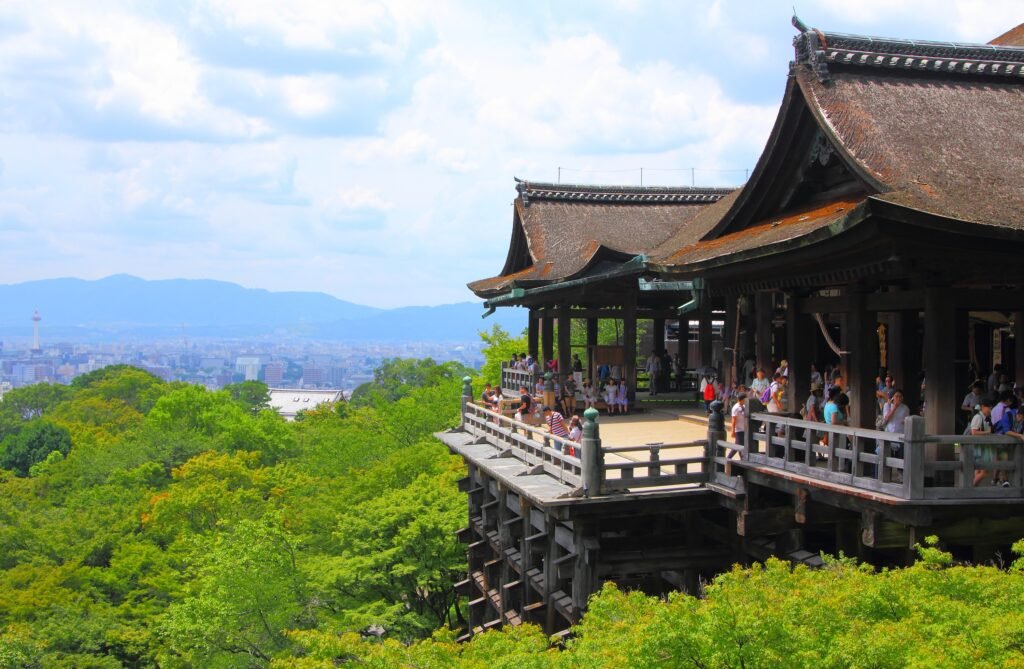
Kiyomizu-dera main hall and its wooden stage overlooking Kyoto

Temples & Shrines

Kiyomizu-dera Temple: The Pure Water Temple Overlooking Kyoto

Construction

Founded 778, present main hall 1633

Divinity

Kannon, the eleven-faced, thousand-armed bodhisattva of compassion

Religion

Buddhism (Kita-Hosso sect)

Location

1-294 Kiyomizu, Higashiyama-ku, Kyoto, Kyoto Prefecture, Kansai, Japan
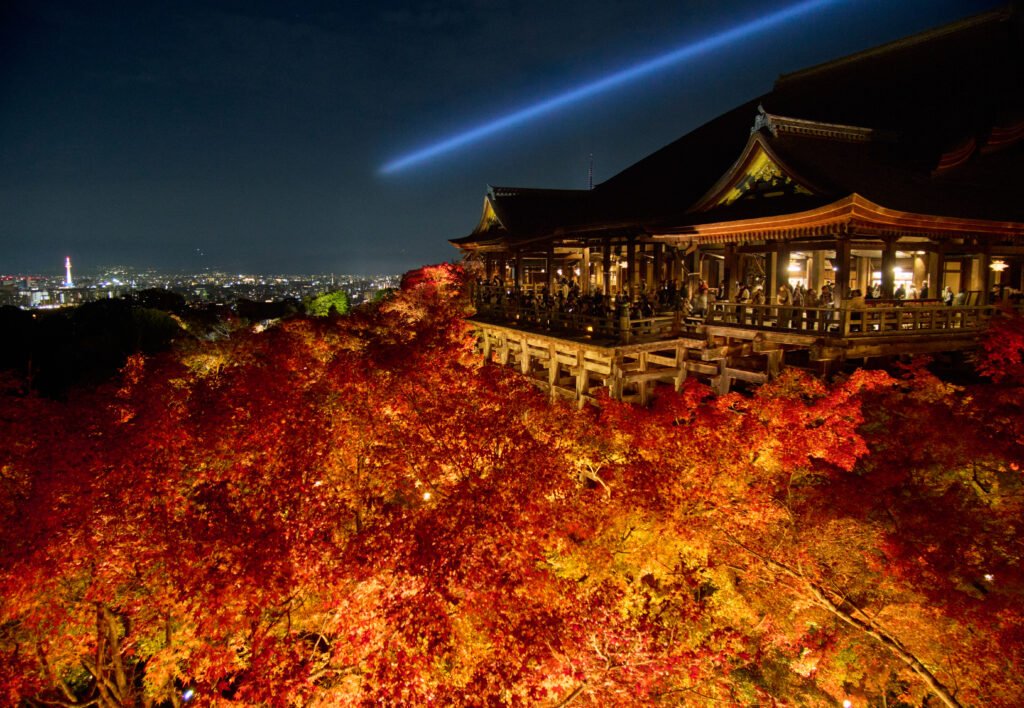
Kiyomizu-dera illuminated at night in autumn

Twelve Centuries of Mercy on Mount Otowa

Few places in Japan are as instantly recognisable as the great wooden stage of Kiyomizu-dera. Perched on the wooded slope of Mount Otowa, in Kyoto’s eastern Higashiyama district, the temple has drawn pilgrims for more than twelve centuries — and today it draws millions of visitors a year, making it Kyoto’s most popular temple. Yet behind the crowds stands a place of real devotion, built around a waterfall, a goddess of mercy, and a stage that seems to float above the city.
According to temple tradition, Kiyomizu-dera was founded in 778, sixteen years before Kyoto itself became the imperial capital. The monk Enchin, guided by a vision, travelled into the eastern hills in search of a spring of pure water. There he met a hermit who gave him a piece of sacred wood, from which he carved an image of Kannon, the bodhisattva of compassion, and enshrined it beside the Otowa Waterfall. The temple takes its name from that waterfall: Kiyomizu means “pure water.” The sanctuary grew in importance in 798, when the general Sakanoue no Tamuramaro built a great hall to honour Kannon. Over the centuries the buildings were lost to fire again and again, and the complex we see today is largely the reconstruction ordered by the third Tokugawa shogun, Iemitsu, in 1633. The main hall is now designated a National Treasure, and in 1994 the temple was inscribed, with the other Historic Monuments of Ancient Kyoto, on UNESCO’s World Heritage List. Originally of the Hosso school, Kiyomizu-dera has stood as the head temple of the independent Kita-Hosso sect since 1965. Its principal image, the eleven-faced, thousand-armed Kannon, rests in a small shrine within the main hall and is shown to the public only once every 33 years.

The Stage, the Waterfall and the Stones of Love

The temple’s most famous feature is its wooden stage, the butai, which juts out from the main hall thirteen metres above the hillside. Built in the kake-zukuri overhang style, it rests on 139 massive zelkova pillars and was assembled without a single nail, using interlocking wooden joints alone. From the stage, the view opens over a sea of cherry and maple trees to the city of Kyoto below — a sight so beloved that it gave Japan a proverb: “to jump off the stage at Kiyomizu” means to take a bold leap of faith. Below the main hall flows the Otowa Waterfall, the source of the temple’s name. Its waters are divided into three streams, and visitors drink from them with long-handled ladles. Each stream is said to grant a different blessing: longevity, success at school, or a fortunate love life. Custom warns against drinking from all three — that would be greedy, and the luck would be lost. The grounds hold about thirty buildings across 130,000 square metres, and several are worth the walk. Behind the main hall stands Jishu Shrine, dedicated to the god of love and matchmaking, where two “love stones” stand eighteen metres apart; walking from one to the other with eyes closed is said to promise true love. At the far southern end of the grounds rises the three-storied Koyasu Pagoda, visited by those praying for an easy and safe childbirth. And from the smaller stage of Okunoin Hall, across the ravine, comes the classic view of the main hall itself, framed by trees and sky.
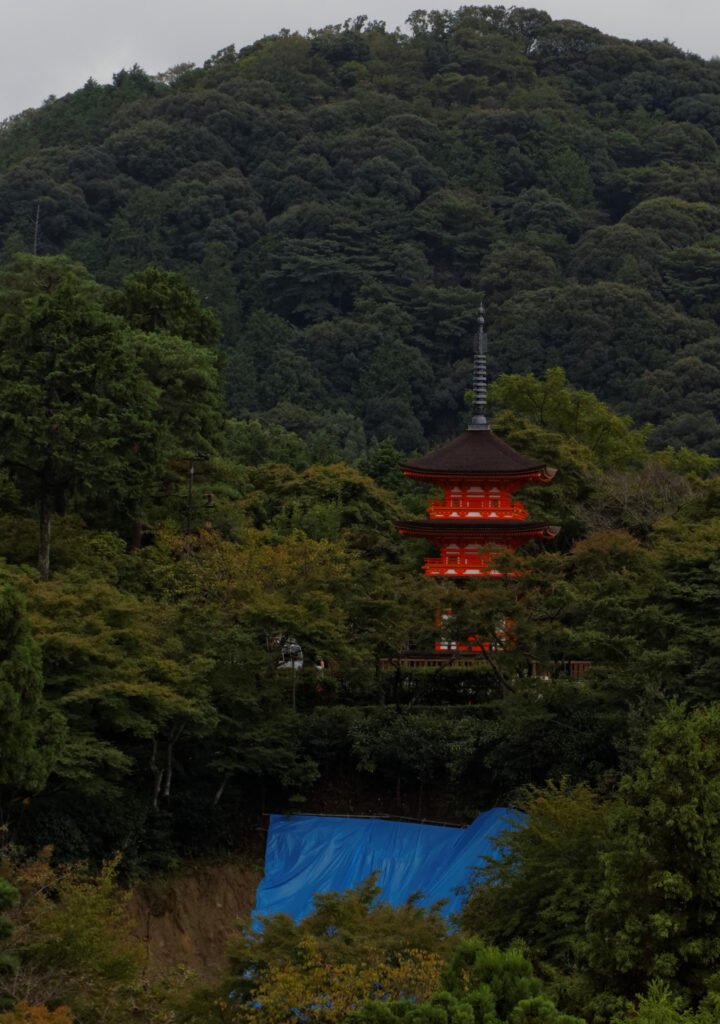
The three-storied Koyasu Pagoda at Kiyomizu-dera in Kyoto
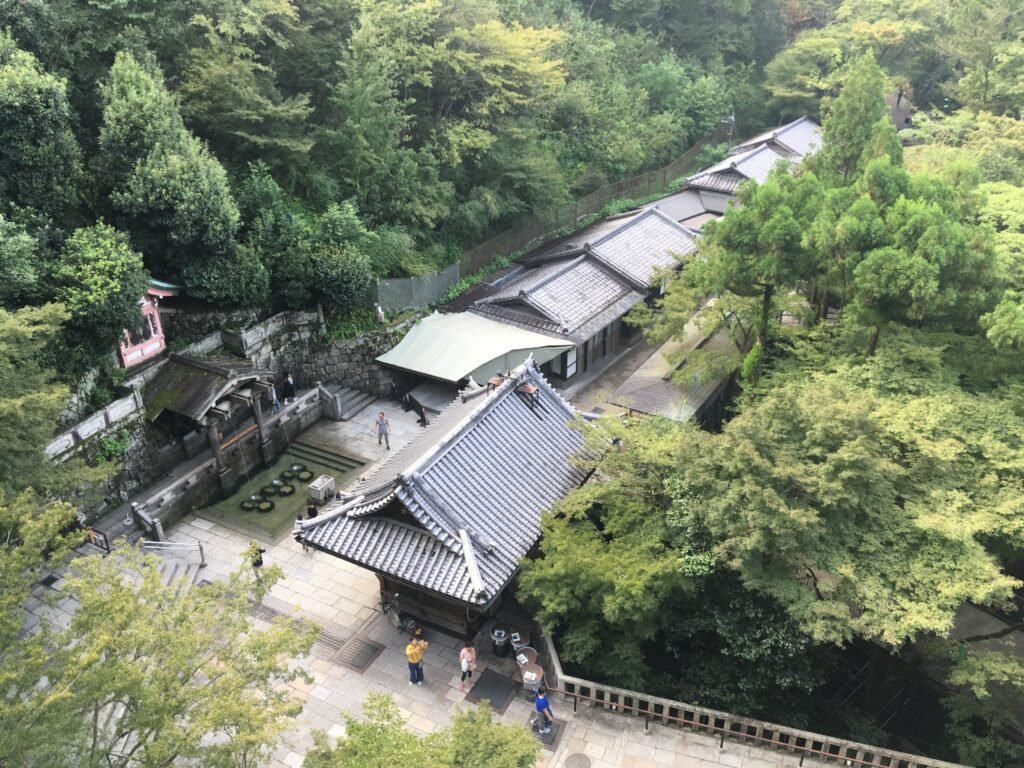
The Otowa Waterfall at Kiyomizu-dera in Kyoto

Seasons, Light and a Leap of Faith

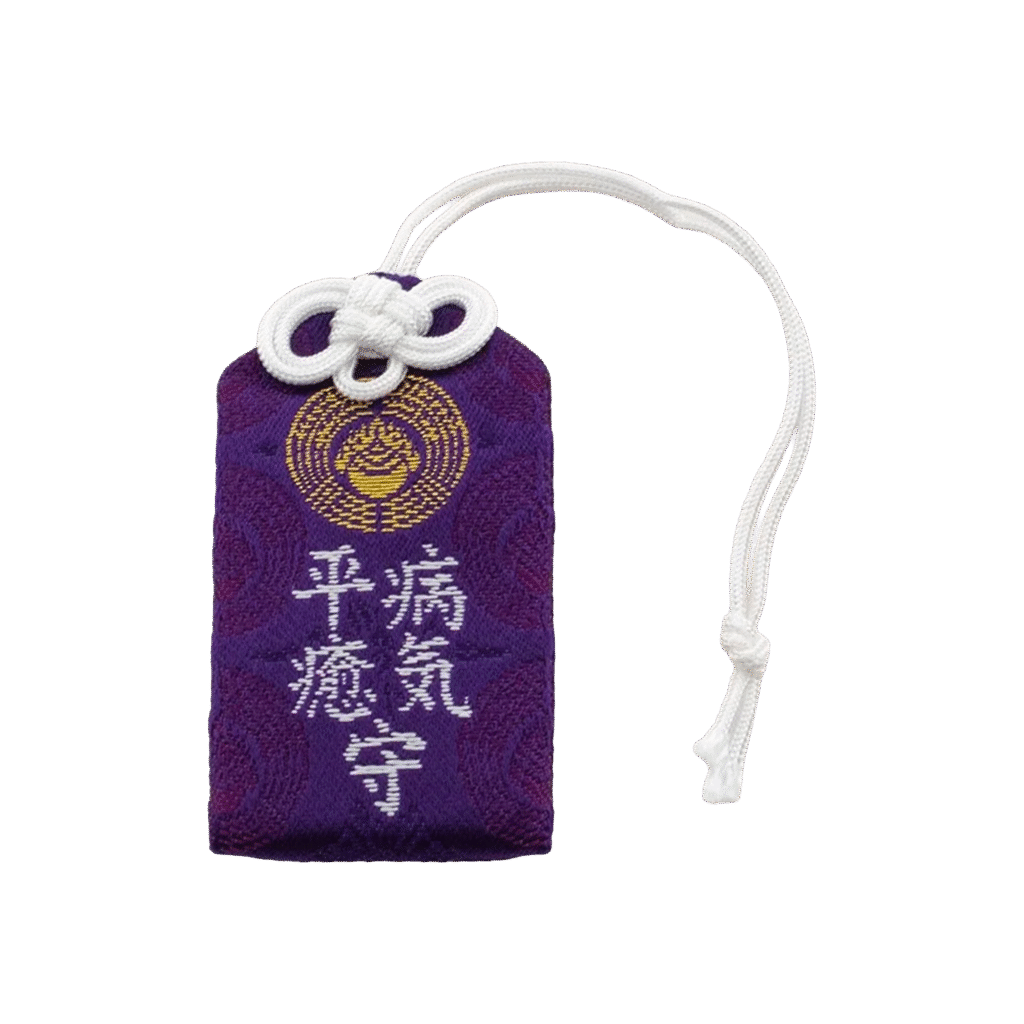
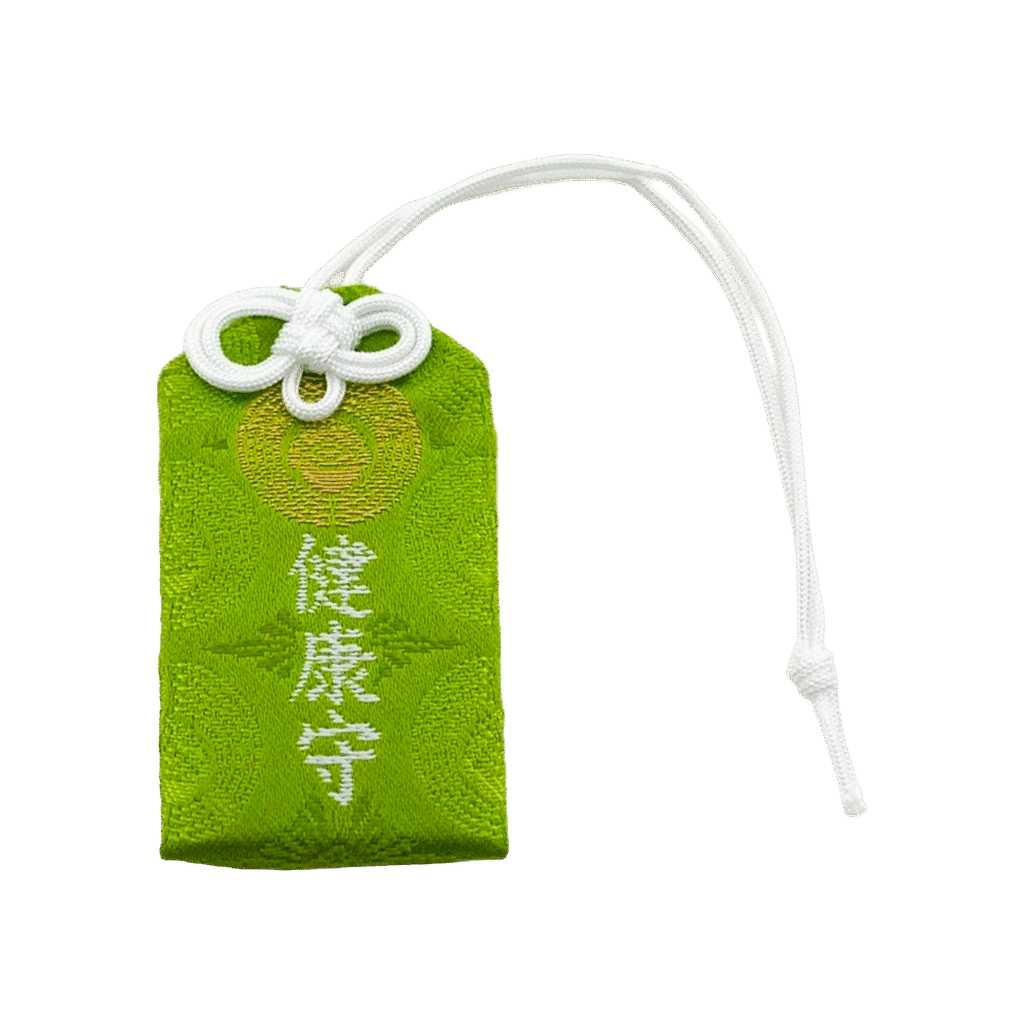
Kiyomizu-dera is beautiful in every season, but it is at its most magical twice a year: in spring, when the cherry trees bloom, and in autumn, when the maples turn crimson. On those evenings the temple holds special illuminations, lighting the stage, the pagoda and the trees long after sunset; a third illumination takes place during Obon in mid-August. The approach itself is part of the experience: the climb up the stone-paved lanes of Sannenzaka and Ninenzaka, lined with old wooden shops, or the bus from Kyoto Station to Kiyomizu-michi followed by a ten-minute walk uphill. Before you leave, stop at the temple’s amulet counter. An omamori from Kiyomizu-dera — for success in studies, for love, or simply for safe travels — carries home a little of the pure water’s promise: that compassion, like the waterfall, keeps flowing, and that some leaps of faith are worth taking.

You may Like:

Sign up and get

10% Off

On all Omamori

Carry protection, luck, and peace wherever you go.