Tamaki Shrine: The Hidden Mountain Sanctuary of Totsukawa in Nara
Construction
37 BC (tradition; present main hall 1794)
Divinity
Kunitokotachi no Mikoto, Izanagi and Izanami, Amaterasu, Emperor Jimmu
Religion
Shinto (Shugendo)
Location
Totsukawa, Nara Prefecture, Kansai, Japan
A Shrine Founded by Emperors, Guarded by Legends
High in the mountains of southern Nara Prefecture, at the end of a narrow road that winds through mist and cedar forest, stands a shrine that many Japanese call the place “only those summoned by the gods can reach.” Tamaki Shrine (Tamaki-jinja) sits near the summit of Mount Tamaki, 1,076 metres above sea level, in the remote village of Totsukawa. It is not an easy visit — and that is precisely the point. For more than a thousand years, pilgrims and mountain ascetics have climbed here seeking protection, and in 2004 the shrine was inscribed, with the other sacred sites of the Kii Mountains, on UNESCO’s World Heritage List. A visit to Tamaki is less like sightseeing than like being admitted, briefly, into a forest that has been sacred for two thousand years.
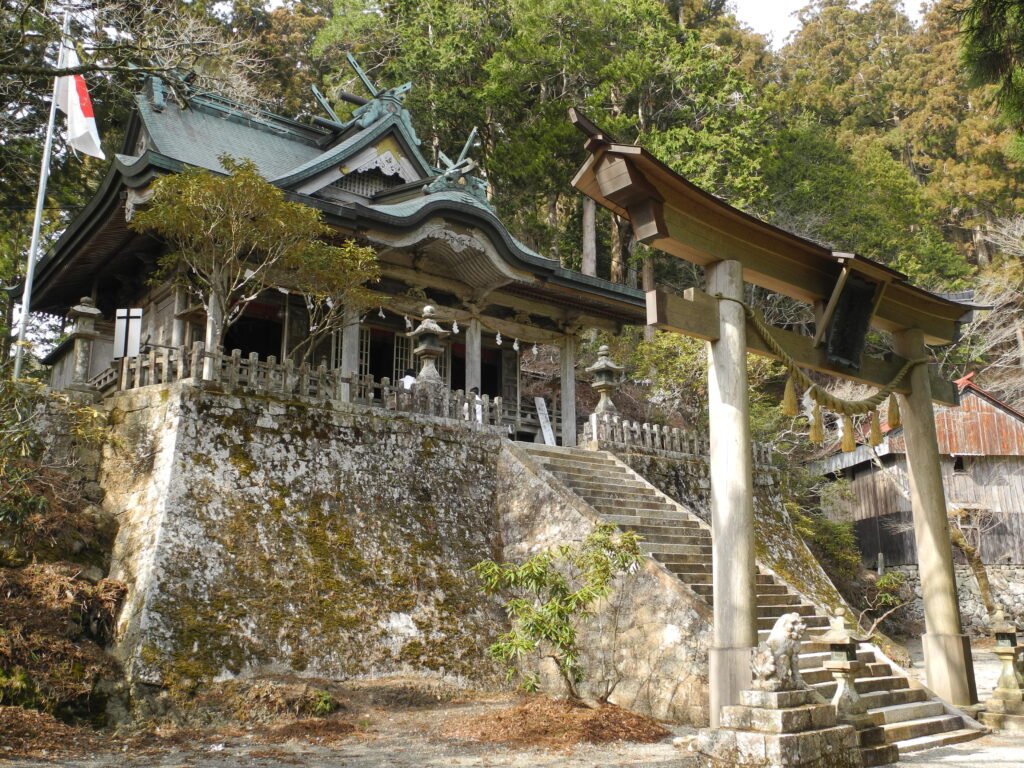
According to tradition, Tamaki Shrine was founded in 37 BC, in the reign of Emperor Sujin, the tenth emperor of Japan, to ward off evil spirits and protect the land from fire. Another legend ties the mountain to Emperor Jimmu, Japan’s mythical first emperor, who is said to have rested his troops here and prayed for victory — and to have hidden ten heavenly jewels on the mountain, giving the place its name. The shrine enshrines a remarkable gathering of deities: Kunitokotachi no Mikoto, one of the most ancient gods of Japanese myth, together with Izanagi and Izanami, the creator gods, the sun goddess Amaterasu, and Emperor Jimmu himself. Few shrines in Japan bring together such a company, and that is one reason Tamaki has long been treated as something apart. In the Heian period it flourished as the inner sanctuary — the oku-no-in — of the three great Kumano shrines, the Kumano Sanzan, and as a training ground of Shugendo, the austere mountain asceticism that blends Shinto, Buddhism and Taoism. The present main hall, built of zelkova wood with a graceful hip-and-gable roof, dates from 1794, while the shrine office, built in 1804 in shoin style, is an Important Cultural Property, famous for its seventy sliding-door paintings by Kano-school artists, including Tachibana Yasuharu.
The Forest of Thousand-Year Cedars
What strikes every visitor first, though, is not a building but the forest. The approach to the shrine runs beneath giant cedars, several of them designated natural monuments, some said to be more than a thousand years old. The most famous is the Jindai-sugi, the “cedar of the age of the gods,” whose age is traditionally given as 3,000 years. Standing beneath it, among trees that were already old when the shrine’s legends were new, it is easy to understand why this mountain was treated as a god in itself. Beyond the main hall, a steep path climbs further to Tamaishi-sha, a small rock shrine where a sacred stone is worshipped; custom says to visit it before the main shrine, as it is regarded as the original sanctuary of the mountain. On a clear day, the view from the summit reaches across the Kii Mountains, and walkers sometimes glimpse the sea far to the south. The shrine sits on the Omine Okugakemichi, the rugged pilgrimage trail that links Mount Yoshino to the Kumano shrines, and it remains the tenth training station of that ancient route.
A Living Pilgrimage, Still Hard to Reach
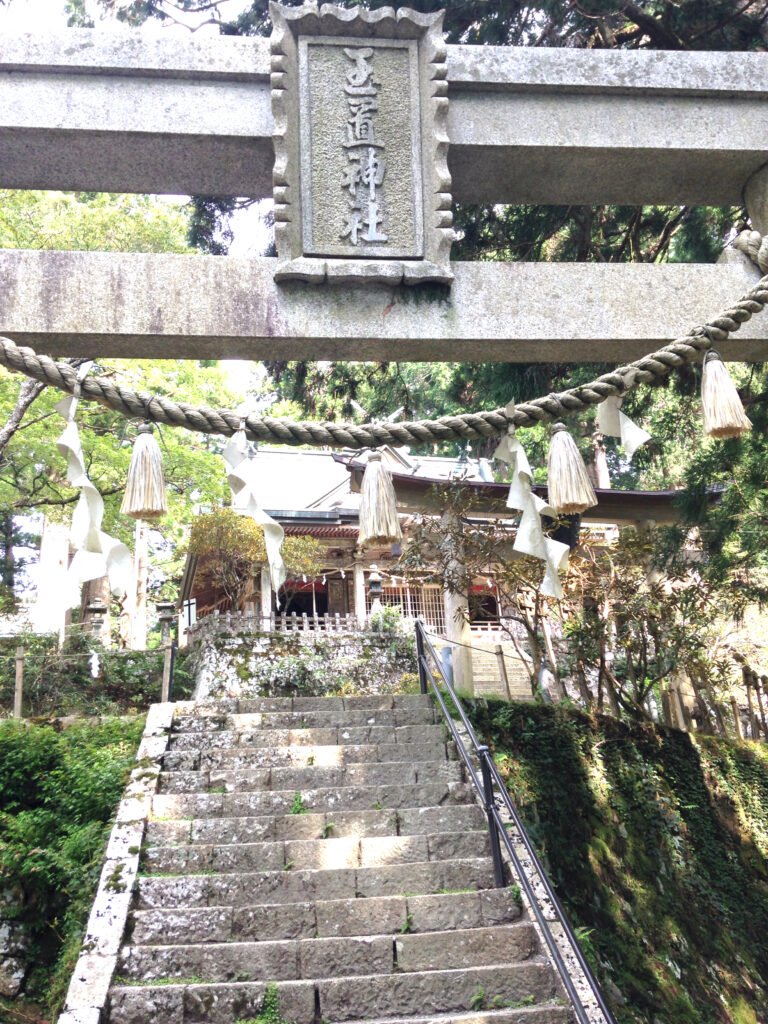
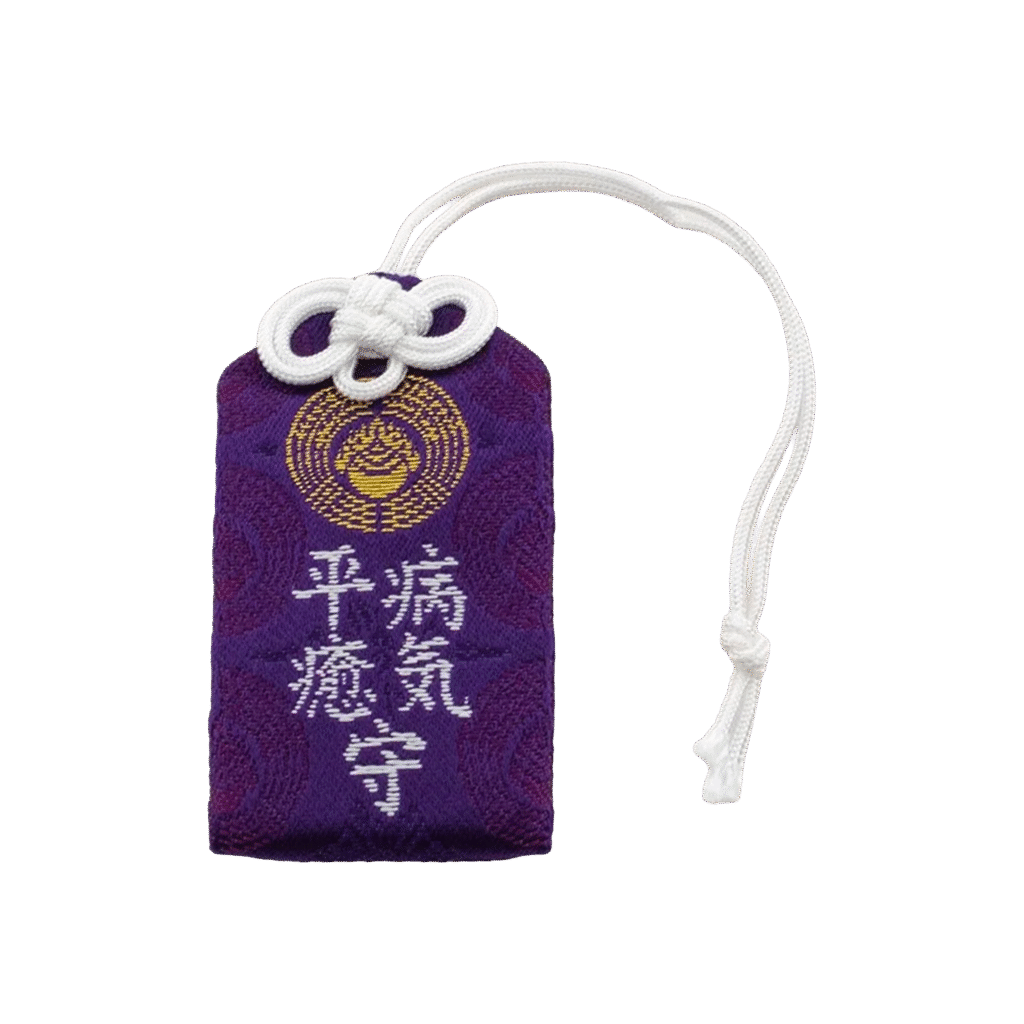
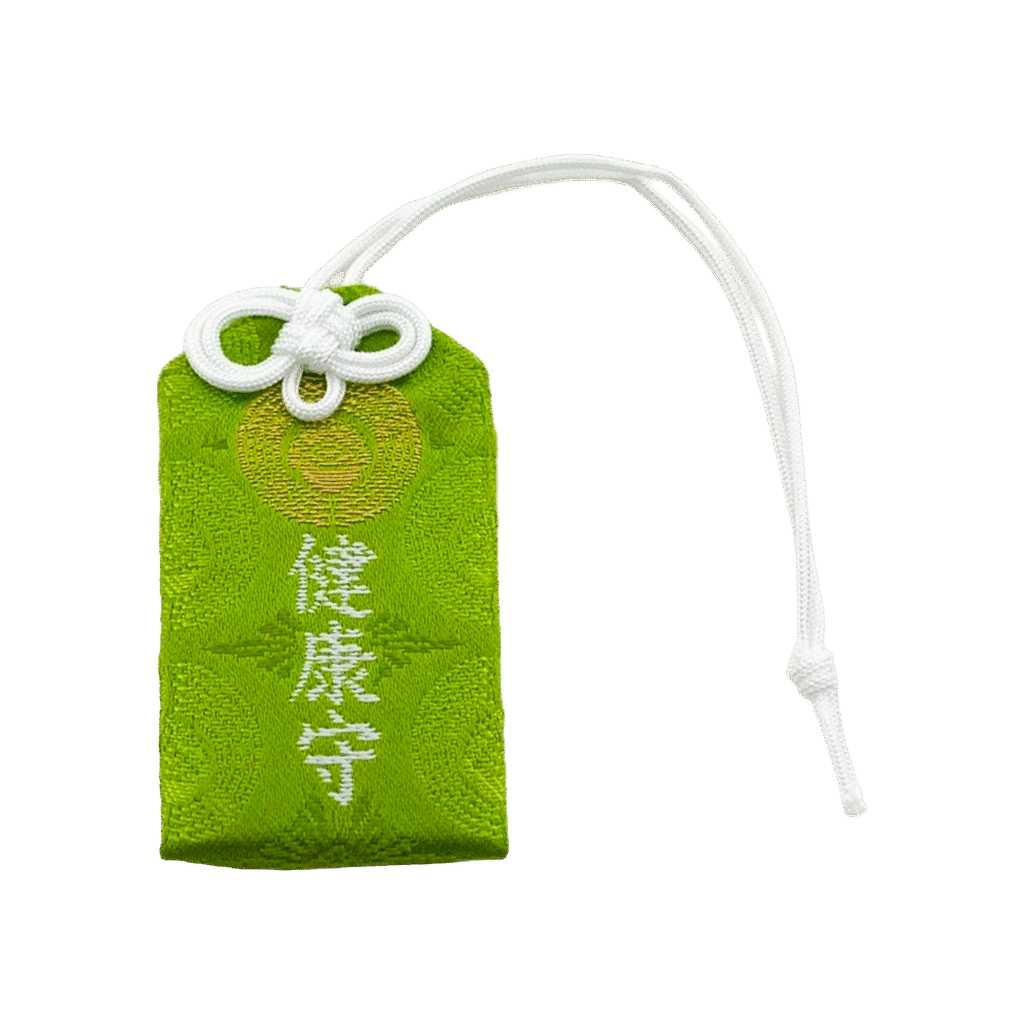
Tamaki Shrine is still a working place of faith, not a museum. Its annual festivals include the spring Hatsu-uma festival and the great autumn festival (Shuki Taisai) in October, when the mountain community gathers at the shrine. And the old saying about being “summoned” survives for a practical reason: reaching Tamaki takes effort. The usual route is a bus to Totsukawa Onsen, then a taxi up the mountain road, or a reservation-only heritage bus running on weekends and holidays; from the car park it is still a walk of about twenty minutes along a forest path and stone steps to the worship hall. In winter, snow and fog can close the road altogether, so check conditions before setting out. That difficulty is part of the shrine’s protection — a sacred place kept, quite literally, above the noise of the world. Before you leave, pause at the shrine office: an omamori for safe travel from a shrine that has watched over mountain roads for two millennia carries a simple, old wish — that the road home stays as safe as the road that brought you here.