Yutoku Inari Shrine: A Majestic Sanctuary of Prosperity and Tradition in Saga Prefecture
Construction
1687 (Edo period)
Divinity
Inari Okami
Religion
Shinto
Location
Kashima City, Saga Prefecture, Kyushu, Japan
Kyushu’s Vermillion Treasure
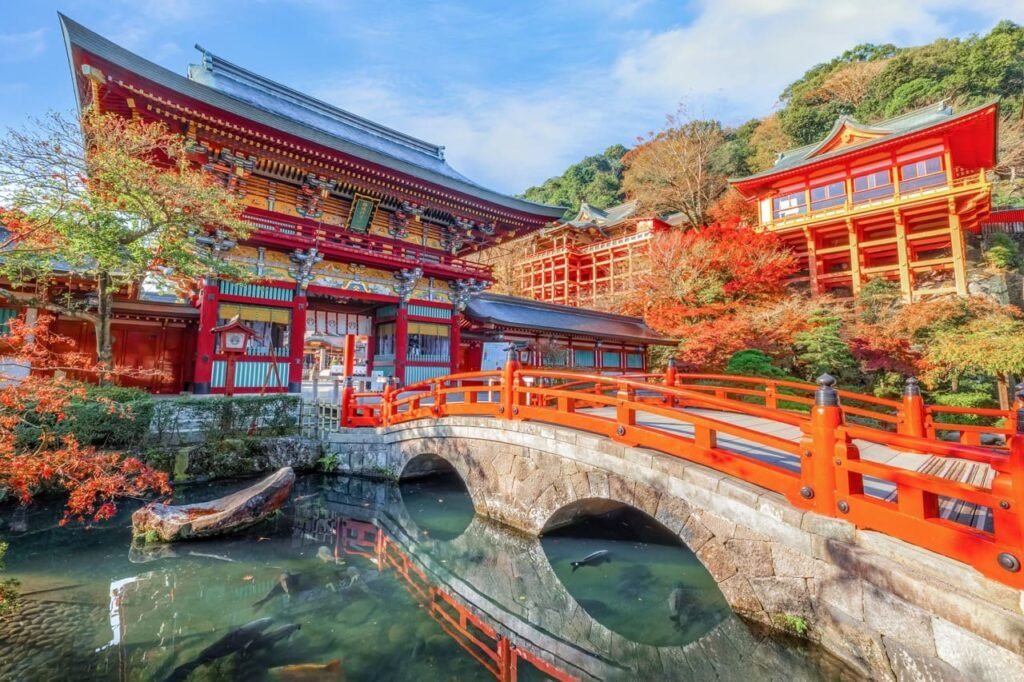
Located in Kashima City, Saga, Yutoku Inari Shrine is one of Japan’s most revered and visually striking Shinto sites. For over 300 years, this hillside sanctuary has been dedicated to Inari Okami, the deity of rice and prosperity.
Distinguished by its vibrant vermillion architecture built into the slopes of Mt. Iwakabe, the shrine offers breathtaking views of the Ariake Sea. Ranked alongside Kyoto’s Fushimi Inari as one of Japan’s top three Inari shrines, it attracts millions of visitors annually seeking blessings for business success and family fortune.
Founded in 1687 by Manko-hime, an Imperial princess and wife of Lord Nabeshima Naotomo, Yutoku Inari Shrine was established to meet the spiritual needs of the Hizen Kashima domain. As the family sanctuary of the powerful Nabeshima clan, it was dedicated to Inari Okami to ensure protection and prosperity.
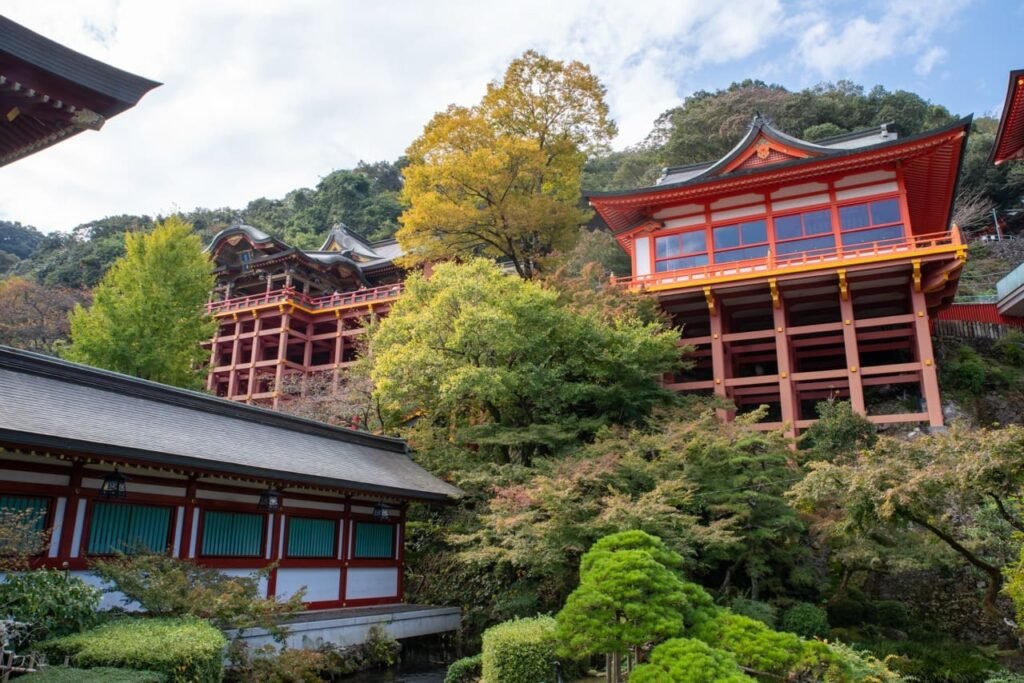
Architectural Influence: The shrine’s design draws heavy inspiration from the elaborate Nikko Toshogu Shrine. It combines intricate decorative flair with unique engineering adapted to the steep slopes of Mt. Iwakabe, symbolizing the prestige of the Nabeshima clan.
Enduring Worship: throughout the Edo period, devotion to Inari flourished among merchants and samurai seeking fortune. The shrine remains a vital link to these traditions, reflecting the deity’s deep agricultural roots and connection to Imperial rituals.
Architecture & Layout
Yutoku Inari is a stunning example of Edo-period religious design, masterfully harmonizing with the steep topography of Mt. Iwakabe. Its defining architectural features include:
The “Kiyomizu” of Kyushu: Echoing Kyoto’s famed Kiyomizudera, the main hall (Honden) sits atop an 18-meter framework of wooden stilts, creating a dramatic vista above the valley floor.
Sakura-mon Gate: The ornate entrance features unique porcelain guardian statues, a tribute to Saga Prefecture’s historic status as a center for ceramic production.
Symbolic Color: The complex is renowned for its lavish vermillion lacquer, comparable to Nikko Toshogu, which symbolizes warmth, hope, and the vitality of spring.
Path to the Okunoin: A 10-minute hike through a tunnel of red torii gates leads to the upper shrine (Okunoin). These gates represent prayers of thanksgiving, guiding visitors to panoramic views of the Ariake Sea.
At its core, Yutoku Inari Shrine is dedicated to Inari Okami, the guardian of rice, prosperity, and business success. The sanctuary enshrines deities such as Uganomitama-no-okami, who protects daily necessities like food and shelter, and Omiyanome-no-okami, the patron of arts and peace. While the shrine historically served the noble Nabeshima clan, it became a beacon for commoners and merchants during the Edo period as the populace sought divine support for commerce and survival.
Today, the shrine acts as a cultural nexus that bridges this rich history with modern life. Beyond its spiritual duties, the complex features a museum displaying samurai armor and artifacts from the Kashima domain, alongside a vibrant shopping arcade that supports the local community. Through annual festivals that honor agricultural cycles and the Emperor’s ritual rice planting, Yutoku Inari continues to link Japan’s deep traditions of harvest and renewal to contemporary society.
A Modern Pilgrimage: Views and Experience
For modern travelers, Yutoku Inari Shrine offers a dynamic blend of spiritual devotion and scenic adventure. Millions arrive annually to pray for business fortune, family safety, and bountiful harvests, engaging in a pilgrimage that is both physical and divine. The visit centers on a dramatic ascent up Mt. Iwakabe, where vermillion staircases and tunnels of red torii gates guide pilgrims through a spiritual progression amidst nature.
The grounds feature the ornate Sakura-mon gate, guarded by unique porcelain statues, and a hilltop sanctuary that rewards climbers with sweeping views of the Ariake Sea. Beyond the majestic vistas, the precinct offers a historical museum, a lively shopping arcade, and seasonal beauty, particularly during the spring cherry blossom season.
Yutoku Inari Shrine stands as a magnificent testament to the fusion of religious devotion and architectural artistry. Founded over three centuries ago by an Imperial princess for the Nabeshima clan, it ranks among Japan’s premier Inari shrines alongside Kyoto’s Fushimi Inari. The shrine’s stunning hillside design and vibrant vermillion craftsmanship reflect the grandeur of the Edo period while honoring the deep Shinto connection between agriculture and community well-being.
For visitors climbing the red balustraded staircases and passing through the torii gates, the shrine is more than a historical site; it is a living symbol of hope and renewal. It embodies the timeless quest for harmony between humanity and nature, offering inspiration to the faithful and travelers alike who seek to connect with Japan’s rich spiritual heritage.